

Cart
0
0.00 Ft

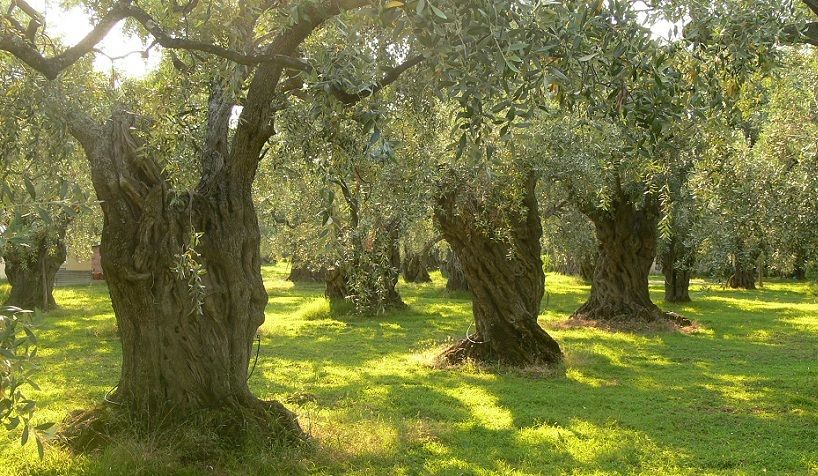
Olive trees are an integral part of Crete's landscape, agriculture and cultural heritage. Olive cultivation has a long history on the island, and olive oil remains one of the region's most important agricultural products. From the coastal plains to the mountainous interior, olive groves shape the Cretan countryside, while olive oil is deeply rooted in local cuisine and everyday life.
Crete is one of Greece's key olive-growing regions, renowned for its olive oil production. Several olive varieties are cultivated on the island, with Koroneiki among the most important. This variety is widely used to produce extra virgin olive oil.
The olive variety, growing location, soil and climate, the way the trees are cared for, and the timing of the harvest all influence the characteristics of the finished olive oil.
But quality is not determined in the olive grove alone. Every stage matters — from cultivating and harvesting the olives to transporting them, processing them at the mill, and finally storing and bottling the oil.
The olive tree is one of the defining features of Crete's landscape. It grows across the island, from low-lying plains and valleys to hillsides and mountainous areas.
Several factors influence the quality of the olives, including the variety, soil, altitude, climate, irrigation, tree nutrition, pruning and pest management.
One of Crete's most important olive varieties is Koroneiki. Its small fruits produce oil with a distinctive fruity character. Depending on the harvest timing and processing methods, the oil can also have pronounced bitterness and a peppery finish.
Not all Cretan olive oils taste the same. Their characteristics vary according to the growing region, olive variety, harvest year, ripeness of the fruit and processing methods.

When and How Are Olives Harvested?
Harvesting is one of the most important stages in olive oil production.
On Crete, the main olive harvest typically begins in November and can continue throughout the winter, depending on the region, altitude and ripeness of the olives.
When producing high-quality extra virgin olive oil, the quantity of oil obtained is not the only consideration. Harvesting the olives at the right stage of ripeness is equally important. Once picked, the olives should be transported to the mill and processed as quickly as possible.
Early Harvest
Early-harvest olive oil is made from green, less mature olives. It can have a more intense fruity character, pronounced bitterness and a peppery finish, and is often associated with higher levels of naturally occurring phenolic compounds.
Agoureleo is a characteristic example of early-harvest olive oil, made from olives picked very early in the season.

Harvesting and Transport
After harvesting, it is important to minimise damage to the olives and transport them to the mill as quickly as possible.
Prolonged storage, overheating or inadequate ventilation can negatively affect the quality of the resulting oil.
Cleaning
Before processing, the olives are cleaned to remove impurities and plant material that could adversely affect the quality of the final product.

Crushing
The olives are crushed together with their flesh and pits to form an olive paste.
Malaxation (Mixing)
The olive paste is slowly mixed under controlled conditions. This process encourages tiny oil droplets to merge into larger ones, making the oil easier to separate during the next stage.

Oil Separation
The oil is separated from the water and solid components of the olive paste using suitable mechanical and physical methods.
High-quality extra virgin olive oil is produced using methods that do not involve chemical processing of the oil.
Filtration
After separation, the oil may be filtered to remove fine solid particles and residual water.
Categories and Quality Standards
Virgin olive oil is a natural juice obtained exclusively from the fruit of the olive tree using mechanical or other physical methods under conditions that do not significantly alter the oil's properties.
The categories of virgin olive oil include:
Extra virgin olive oil
Virgin olive oil
Lampante olive oil, which is not suitable for direct consumption without further processing.
Extra Virgin Olive Oil
Extra virgin olive oil is the highest grade of virgin olive oil. Its classification is based on both chemical parameters and sensory characteristics.
The maximum free acidity permitted for extra virgin olive oil is 0.8%.
However, acidity alone does not determine the oil's grade. Other chemical parameters and its sensory profile must also be assessed.

What Does High-Quality Olive Oil Taste Like?
Sensory evaluation identifies and describes the aroma and taste characteristics of virgin olive oil.
Trained tasters assess, in particular, fruitiness and any negative sensory attributes.
Fruitiness
Fruitiness refers to the characteristic aroma and flavour of healthy olives. It can evoke fresh green or ripe fruit, along with other plant-like notes.
Bitterness
Bitterness is perceived mainly on the tongue. It is a typical characteristic of oils made from green or less ripe olives.
Pungency
Pungency is felt mainly in the throat. It is particularly characteristic of oils made from unripe olives and can be pronounced in certain olive varieties.
Acidity, more precisely free acidity, refers to the content of free fatty acids in olive oil.
Acidity can increase, for example, when olives are damaged, affected by pests, stored under unsuitable conditions, or left for too long between harvesting and processing.
So, what does 0.2% mean?
A value of 0.2% indicates a very low level of free acidity.
However, low acidity alone does not automatically mean that an olive oil is of high quality. To classify an oil as extra virgin, other chemical parameters must also be assessed, along with its sensory characteristics.
Quality therefore cannot be judged by a single number alone.
Natural Compounds That Influence Both Flavour and Stability
Polyphenols are naturally occurring phenolic compounds found in olive oil.
Their content can be influenced by the olive variety, the degree of ripeness, growing conditions, harvest timing and processing methods.
When green olives are harvested early, the levels of certain phenolic compounds may be higher. Polyphenols also contribute to the oil's characteristic bitterness and pungency, as well as its oxidative stability.
This is why early-harvest olive oil can have a more pronounced flavour profile than oil made from olives harvested later in the season.
✓ Origin – Find out where the olives are grown and where the oil is produced.
✓ Variety – The olive variety influences the oil's flavour, aroma and overall character.
✓ Harvest – The timing of the harvest affects the character of the resulting oil.
✓ Processing – High-quality EVOO requires gentle mechanical processing and as little time as possible between harvesting and processing.
✓ Storage – Olive oil should be protected from light, heat and excessive exposure to air.
High-quality olive oil is therefore much more than a number on the label. It is the result of an entire process, from grove to bottle.
Where Our Olive Oils Come From
This is where the broader story of Cretan olive oil meets our own story.
Our Physis of Crete olive oils come from eastern Crete, from the Lasithi region, home to the Asmarianakis family's olive groves.
One of the region's notable locations is Kritsa, a traditional village in Lasithi. The Asmarianakis family's olive groves in Kritsa are also the source of their single-variety Korona olive oil, made from Koroneiki olives.
